by kevinyeo | Apr 30, 2018 | Foreign Buyer Guides
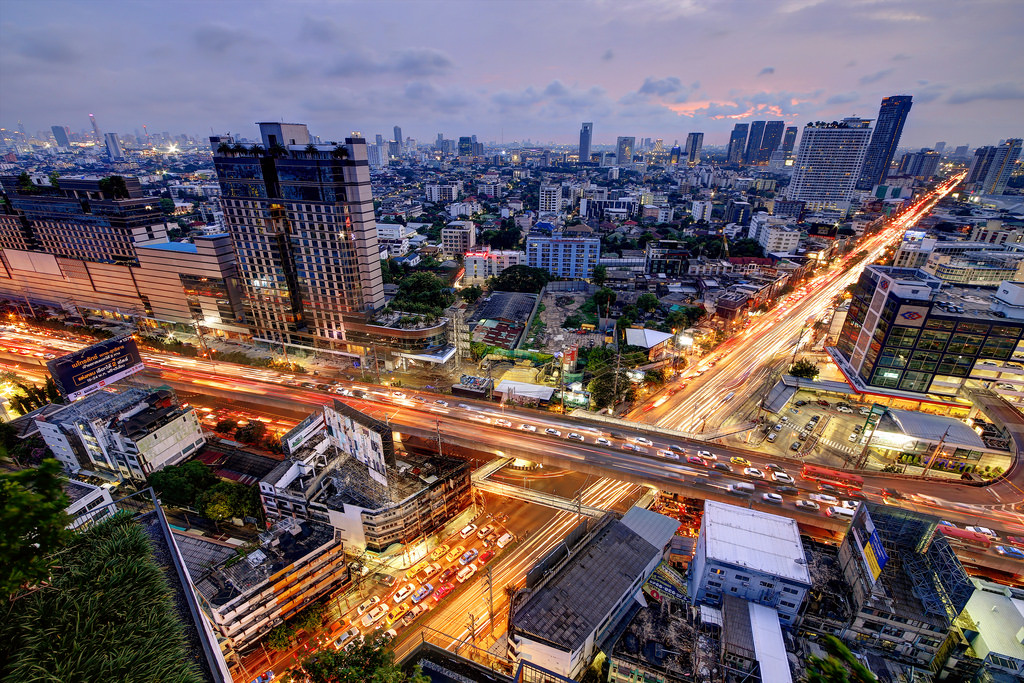
The Ladprao – Phahon Yothin area is fast becoming a popular area of residence. There are on-going developments that will give residents in this area access to rail transport and a multitude of lifestyle offerings.
Let’s take a look at the major developments that are driving growth in Ladprao – Phahon Yothin.
Ladprao MRT Interchange

Currently, Ladprao – Phahon Yothin area is served by the Green BTS Line and MRT Blue Line, which runs to Asoke as well Bang Sue, the upcoming high-speed rail station. Many bus routes also service the area, and there are two expressways in the vicinity – Sirat Expressway and Uttraphimuk Toll Way (Don Mueang Toll Way).
Soon to be, Ladprao will be the interchange between the current Blue Line and the new Yellow Line.
The line heads east along Lat Phrao road to Bangkapi junction where it will interchange with the proposed Orange Line. The line then heads south along Srinagarindra Road to Hua Mark where it will interchange with the Airport Rail Link (Phattanakan station) (Phase I).
From Hua Mak the route continues south along Srinagarindra Road past Bangna-Trat rd all the way to Thepha Rak rd in Samut Prakhan Province. The line then heads west along Thepha Rak Road before terminating at Samrong where it will interchange with the BTS Sukhumvit Line (extension under construction) (Phase II).
We all know the positive impact transportation nodes have on property prices in the area, don’t we?
Bang Sue Grand Station
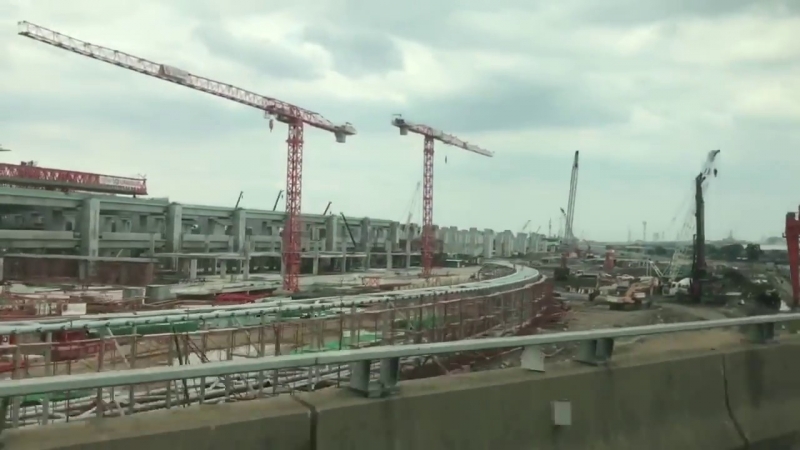
5 stops away from Ladprao along the Blue Line is Bang Sue. Bang Sue is currently undergoing a major transformation to become ASEAN’s largest rail transit hub. The Bang Sue Grand Station, a mega integrated project is being constructed. This place will be the ultimate interchange for the various rail transports as well as the highly anticipated high-speed rail, which will be running all the way up north to China.
Chatuchak Weekend Market
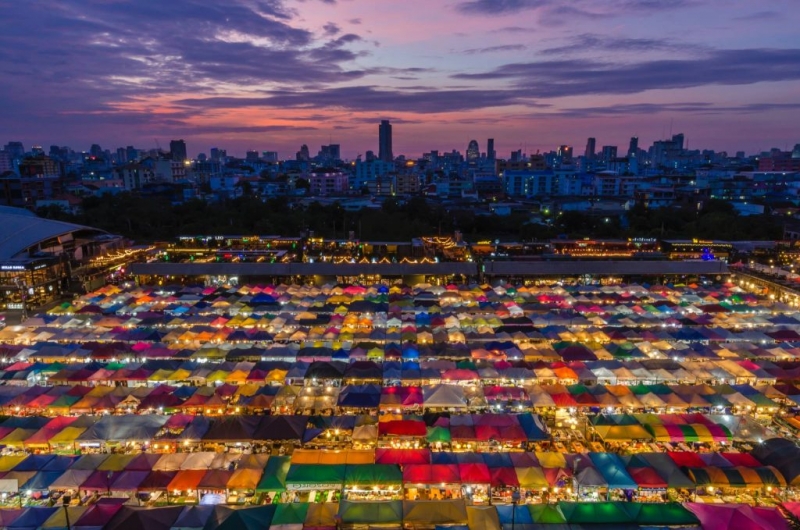
The global renown Chatuchak Market. The 35-acre (68-rai) area of Chatuchak is home to more than 8,000 market stalls. On a typical weekend, more than 200,000 visitors come here to sift through the goods on offer.
Central Ladprao
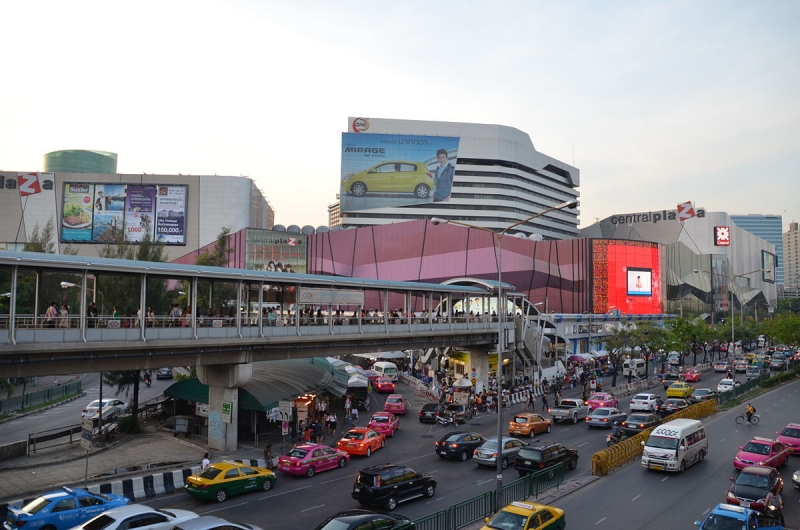
Situated next to Phahon Yothin MRT, Central Plaza Ladprao mall is one of Thailand’s largest and most popular malls. It is also directly connected to the Centara Grand Hotel.
The Potential Of Ladprao – Phahon Yothin
According to reports by PLUS Property, a leading Thai real estate agency and research firm, major developers are now snatching up good land plots in the area to launch condominiums. Resale prices have also risen 20%-40% over the last 5 years.
The rental market is also seeing strong returns of 5%.
More Grade A condominiums are being launched and prices are hitting THB180,000 per square meter and the upward trend is set to continue as demand for housing in the area increases.
From another report by Knight Frank in March 2017, all the positive developments are driving demand for housing in the area but supply is relatively low at the moment.
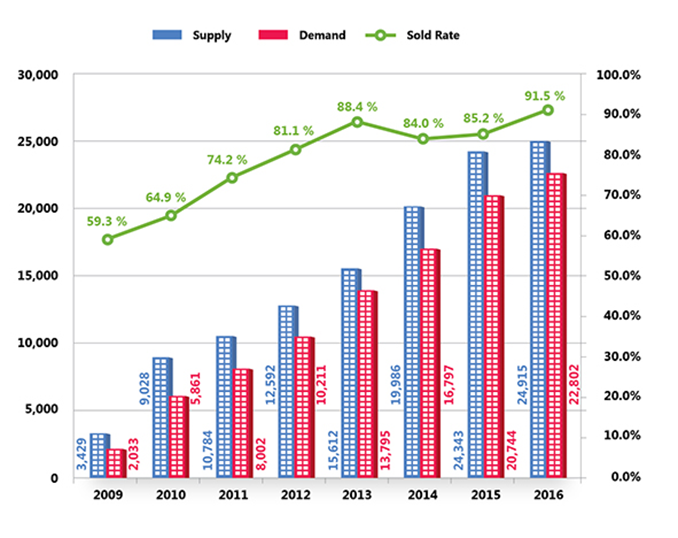
There is potential for real estate in the Ladprao – Phahon Yothin area. The limited available land for development means there is an opportunity for investors to buy a property, be it for investment returns or own stay.
For now, the majority of the purchasers are end users. However, the rental demand is getting stronger as the area develops. According to Plus Property, the occupancy rate is very high at 90% – 95%. Its status as a popular residential area has also meant that independent restaurants, eateries and coffee shops have mushroomed in the area.
This positive trend is likely to continue as the mega-developments come to fruition.
by kevinyeo | Apr 30, 2018 | Bangkok Property Market Updates, Infrastructure & Urban Development
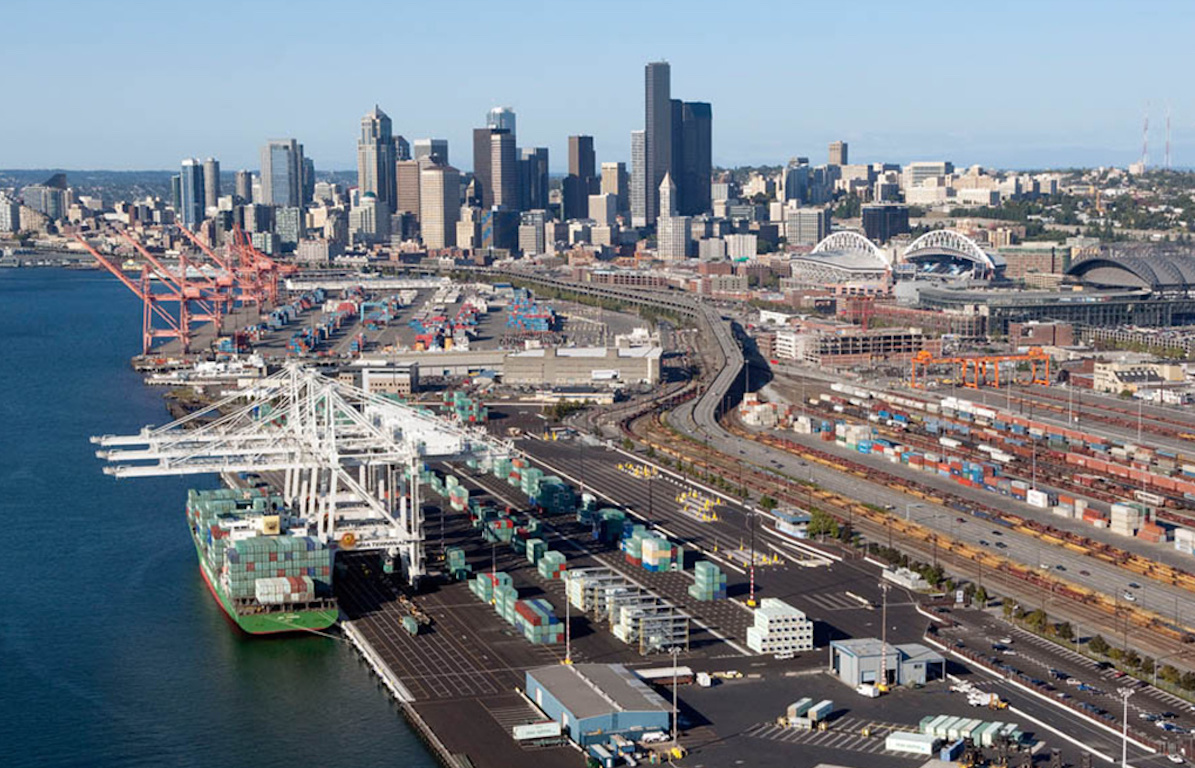
PLANNED high-speed and double-track rail projects to serve the Eastern Economic Corridor (EEC) are expected to begin services in 2023, with an investment value of THB 296.42 billion alone flagged for the high-speed train service, the State Railway of Thailand (SRT) said.
Up to THB 214.3 billion of this amount would be spent on getting the high-speed service up and running, with THB 4.99 billion put to compensation for land expropriation covering 400 rai along the route and the rest allocated to the development of commercial areas around the main station, Chulathep Chittasombat, director of the centre that oversees railway maintenance projects, said at a press conference yesterday.
Chulathep said the two infrastructure projects would equip the flagship economic zone with the rail transport it needs for freight and people.
The terms of reference for the high-speed train project – connecting the Don Mueang, Suvarnabhumi and U-Tapao airports – are being drafted on the expectation for bidding to be opened this year and construction to start in 2019.
“The plots of land planned for expropriation will account for only 5 percent of the total construction area, of which 95 percent will cover the existing rail route,” Chulathep said.
The Office of Transport and Traffic Policy and Planning is conducting a feasibility study for construction of an Inland Container Depot (ICD) in Chachoengsao province to facilitate exports. Inspection and packing would be done before the goods reach ports in the EEC area.
Regarding the second phase of the high-speed train and double-track rail services that will connect industrial estates in the EEC, the SRT is requesting for additional funds to hire consultants, at about THB 200 million for each project, to conduct studies and project design.
The bidding terms for the high-speed project will be announced in July on the expectation for bid submissions in February next year, with the bid winner likely to be announced in May next year. The high-speed project’s full services would start in 2023.
An anonymous source from Bangkok Mass Transit System Plc said that the company is interested in the high-speed project and would assess whether to proceed with a bid based on factors such as expense, the cost of funding, projected income and the break-even period.
“Once the bidding conditions come out, the figures must be taken for evaluation and discussions will be held with a partner on the return on investment. If it’s satisfactory, all the parties will join up in a bid,” the source said.
Piyasvasti Amranand, the chairman of PTT Plc, said that the board had approved PTT Group’s planned purchase of the TOR for the high-speed project with the aim of a conducting a feasibility study into it. No consideration yet had been to given to company’s seeking of a partner for joint investment.
Prasert Marittanaporn, director of CH Karnchang Plc, said that the group was interested in joining the bidding for the high-speed train, citing its readiness to proceed in the construction business.
“The company is ready and interested to bid. But the source of financing may need to be given more consideration, given the relatively high investment,” Prasert said. “It could be an investment on our own or a joint investment with a partner. We have had some talks with potential partners.”
Separately, Deputy Transport Minister Pailin Chuchottaworn yesterday said that, after having chaired a brainstorming session on the creation of an organisation for the management of the Thailand-China high-speed rail service, eight financial advisers registered with the Securities and Exchange Commission were invited to bid for a model of the establishment of such an organisation. The deputy minister cited the advisers’ expertise in financial management and real estate development.
Initially, the organisation may be established as a company to be listed on the stock exchange for fundraising and more management flexibility, he said. It must be a newly established unit owned and controlled by the public sector, independent from the SRT, which owns the high-speed train project, the deputy minister added.
“These financial advisers will present the model of the organisation within one month and then, a subcommittee will select the best proposal,” Pailin said. “The winner will be assigned as the project’s financial adviser in return as these financial advisers will conduct the study for us at no cost. The organisation is expected to be set up this year.”
The eight financial advisers are Kasikornbank, Siam Commercial Bank, United Overseas Bank (Thai), Finansa Securities, RHB, Ploenchit Capital, Avantgarde Capital, and PricewaterhouseCoopers FAS
by kevinyeo | Apr 30, 2018 | Bangkok Property Market Updates, Expat Living & Relocation
TOURISM experts and online travel platforms are welcoming the collaboration between e-commerce giant Alibaba and Thai tourism authorities to develop smart and digital tourism, although there are concerns over possible negative impacts.
Critics voiced concerns over a potential monopoly following a deal between Alibaba Group and Thai state agencies covering a number of areas, including tourism. Some also suggested the authorities needed measures to protect tourist attractions from an expected influx of foreign visitors.
Under a partnership deal on tourism, the Tourism Authority of Thailand (TAT) will expand cooperation with Fliggy, Alibaba’s online travel business and China’s leading online travel service provider, to focus on support for smart and digital tourism in Thailand. As an official strategic partner of TAT, Fliggy will work with the agency to offer smart technological experiences at multiple facilities and tourist attractions across Thailand for the convenience of visitors – ranging from online tour guides to electronic ticketing systems.
“In any case, like it or not, we cannot bar Alibaba from entering Thailand. So the best approach is to ensure local tour operators are well prepared for increased competition,” said former TAT governor Pradech Phayakvichien. “They should adjust their approach and work out how they could get the most benefits out of the collaboration,” he suggested. “In the digital era, we need technology to help connect us to the world and potential customers.”
“But the most important thing for Thailand is that we preserve and protect our tourist attractions,” Pradech said.
“We have to maintain or improve the standard of our [tourist attractions]. If we leave our beaches damaged, how could the Alibaba travel platform help us sell them?” he asked.
Prominent marine ecologist Thon Thamrongnawasawat said he expected the collaboration to bring changes in the proportion of Chinese tourists coming to Thailand. Whereas most Chinese now tour the Kingdom in groups, there is potential to also attract many more couples and individuals. That would make it easier to cope with the arrivals and better distribute income to local vendors. Thon said boosting the number of Chinese tourists or their spending here should not be the main objective for the partnership, as the figures are already high.
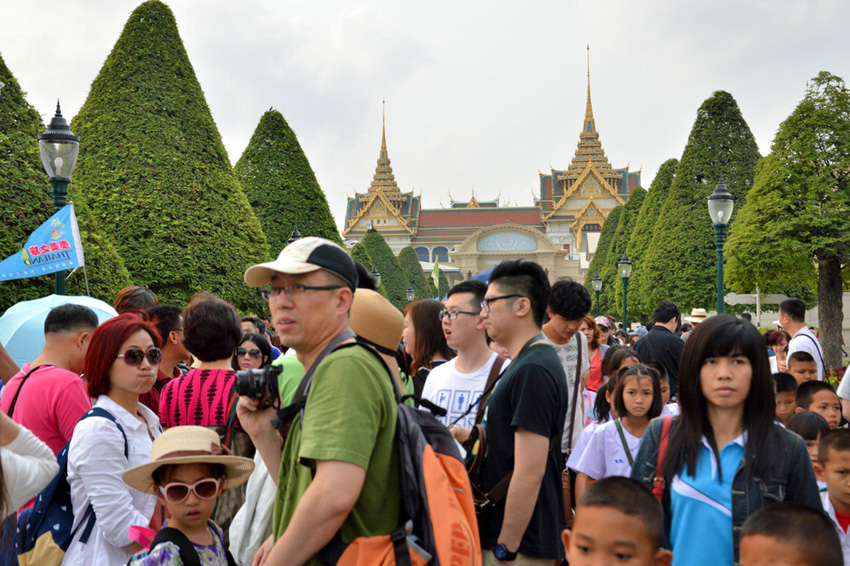
Statistics show Thai tourism relies heavily on Chinese visitors. As of April, 30 percent of all foreign tourists arriving in Thailand this year were Chinese, according to Thon, who is a member of the National Policy Committee for Tourism. Estimates are that tourism this year will generate about THB 3 trillion in revenues – a third of which is expected to come from Chinese tourists, he said. However, there is still concern over a possible surge in Chinese tourists following the collaboration. Pradech said authorities need to put measures in place to restrict the number of tourists at attractions where there are risks of damage.
Thon, who sits on the committee drafting the national strategy on environmental issues, said the draft plan would limit the number of foreign visitors to national marine parks to six million a year, to help protect marine resources from swift deterioration brought by heavy tourism traffic. Out of the six million visitors, four million are expected to be from China. “We are already in a ‘tourism trap’. Around 10 million Chinese tourists visit Thailand every year and generate around THB 1 trillion. If they are dissatisfied with us, what will happen” to Thailand’s tourism industry?” asked Thon.
Partnering with Alibaba
Yuthasak Supasorn, TAT governor, said in a recent press release that the agency would partner with Alibaba for tourism marketing activities through the giant’s online platforms, as well as connect with Alibaba’s other marketing channels to develop “big data” for the Thai tourism industry.
The partnership would help increase the competitiveness of small and medium-sized tourism companies in terms of the development of new products and services that will attract more Chinese tourists to the country, he added. “We hope it will also help both new arrivals and return visitors from China discover emerging secondary destinations, so it is a ‘win-win’ situation for both parties,” he added.
Some critics voiced concern that Fliggy might monopolize the Chinese tourist market and affect local online travel agencies.
But others see a partnership with the giant firm in more positive terms, as an opportunity to expand the market. Amornched Jinda-apiraksa, CEO, and co-founder of TakeMeTour, the largest marketplace for local tours in Thailand, said the collaboration would benefit Thai tourism in terms of getting more Chinese tourists into the country.
He said operating the travel business in the Chinese market is very challenging due to the language barrier and because Chinese tourists have specific behaviours and characteristics.
Amornched added that TakeMeTour this year planned to focus more on Chinese tourists, and that presents a good opportunity for Thai travel operators to offer their services and products directly to Chinese consumers on the Chinese platform.
The TAT has yet to give further details about the collaboration. Amornched said the format could be the opening of a Thai tourism shop or a flagship store on Fliggy.
TakeMeTour was one of six Thai start-ups and 37 Asian entrepreneurs joining the eFounders Fellowship Programme at Alibaba headquarters in Hangzhou, China, in March. Amornched said Alibaba has a strong ecosystem and his firm is willing to join the platform.
As a community-based online tourism platform that provides travel experiences in local communities around Southeast Asia, Somsak Boonkam, founder and chief executive of Local Alike, said his business may not be affected. That’s because the average Chinese tourist has no interest in community tours and only a small number have the taste for eco-friendly tourism.
Thon agreed. “You do not have to fear [about the Chinese platform snatching away customers.] The Chinese tend to buy Chinese goods, anyway,” Thon said.
As part of the collaboration, Fliggy and Ant Financial, Alibaba Group’s affiliate and operator of Alipay, are also in active discussions with various related government agencies to drive a digital transformation of Thai tourism.
Alipay, operated by Ant Financial, is China’s largest online payments and money transfer system, with more than 500 million active users. Thailand is among Alipay’s top three overseas-transaction hubs.
Somsak said using Alipay would help facilitate convenience to Chinese tourists with a familiar payment option when they traveled abroad. However, he urged the government to look into this matter carefully as there are concerns the system could allow massive outflows of money from the country.
Varithorn Sirisattayawong, research head for Kasikorn Research Centre, said Fliggy will help increase the number of Chinese tourists who choose Thailand through booking on the platform. It would benefit Thai banks and non-banks that offer international money transfers, payments, and exchange, as they would receive additional transaction fees as the number of transactions increased.
Varithorn said the use of Alipay to arrange a visa on arrival and tourist tax refunds for Chinese tourists would not directly impact the business of Thai banks and non-banks.
by kevinyeo | Apr 27, 2018 | Foreign Buyer Guides
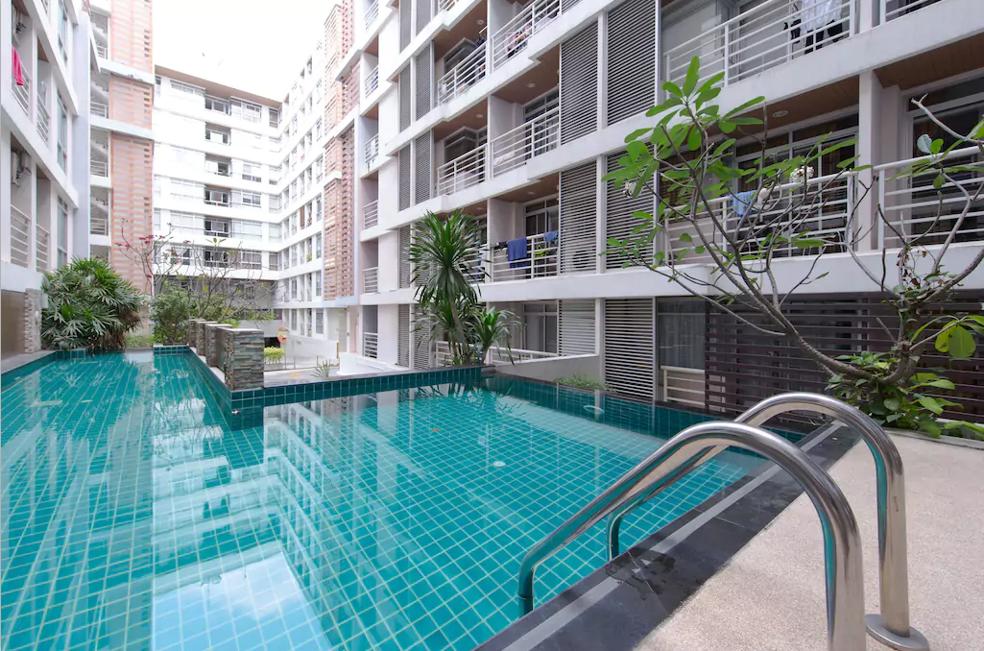
When it comes to buying a condominium in Bangkok, investors can also consider getting a resale condo rather than a brand new one from the developer.
There can be various reasons why one would consider buying a resale condo. It could be that a popular development is already fully sold and there are no more units for sale from the developer.
It could also be a case whereby the investor would like to start getting rental returns rather than waiting 3 years. Or it can be for practical reasons whereby the buyer needs a place to stay in the very near future.
Some people will find older condominiums represent better value as they are able to get more spacious units with the same amount of money spent and purchase a property in a more central location.
On the flip side, the buyer should also be aware that older condos could be less aesthetically pleasing and the facilities could be lacking compared to the modern ones.
If you are planning to go down the route of getting a resale condo, here are 4 things that you should take note of.
Inspecting The Property
Since the property is completed, you are able to physically inspect it. You should make a trip down personally to see the property and its surroundings.
You can judge for yourself if the particular unit is a good one to consider. As well as being able to notice if the general upkeep of the common areas is done well.
This will affect the value of your property in the long run.
Location
This is always an important consideration for both new and resale condo. Is it near public transport? Are there amenities nearby? Is this an area that will capture good tenants? Enough said.
Deed & Ownership
You need to ensure the seller is the rightful owner of the property. You must also make sure that the sale transaction is lawful.
Ask for the actual title deed to make sure, while a letter confirming the payment of the deposit must be signed and sealed.
Engage A Reliable Agent Or Representative
A good and reliable representative or agent would be able to help with all the paperwork including contracts and deed transfers.
Make the effort to work with someone who is competent and whom you can trust. This will go a long way in eliminating risk and unnecessary unpleasantness.
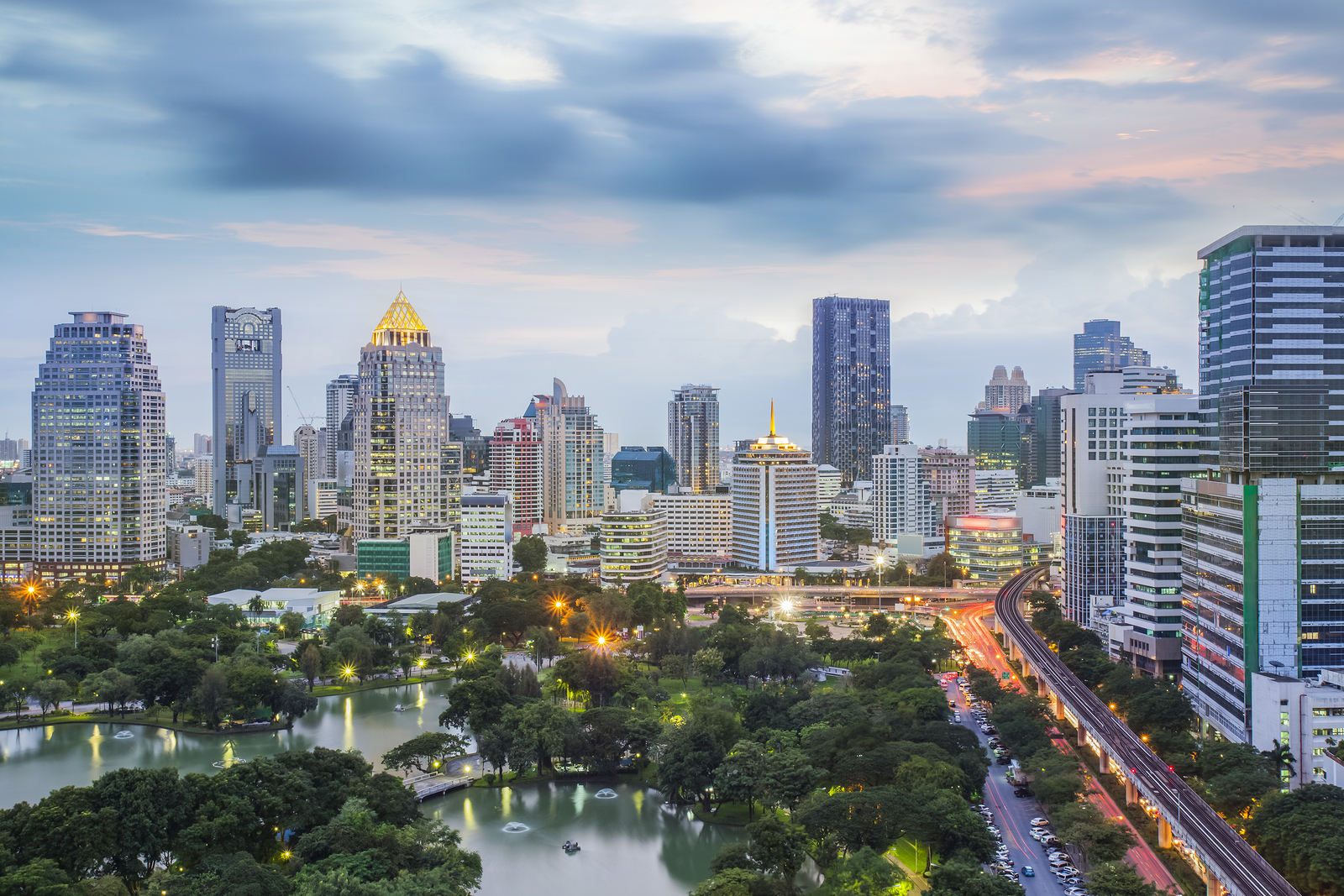
by kevinyeo | Apr 26, 2018 | Bangkok Property Market Updates
The residential condominium market in Bangkok’s central business district (CBD) remains positive as the take-up rate rose significantly because of reduced supply in the first quarter this year.
Condo prices increased throughout Bangkok and this is expected to continue with stronger demand from domestic and international buyers, said Edmund Tie & Company, a real estate consulting firm.
The company reported the number of condo units in Bangkok grew by 623 units in the first quarter this year. This is a fall from the 2,504 units released in the fourth quarter of 2017.
Supply in the first quarter decreased from 2,367 units in the first quarter of 2017, down 73.6%.
The majority of the units launched in the first quarter were located around central Lumpini, followed by the Sukhumvit area. Access to green spaces, luxury views, and connection to public transport makes central Lumpini popular with developers and buyers.
The average pre-sale rate for upcoming condo projects in Bangkok’s CBD market was an impressive 81.0% in the first quarter.
This is notably higher than the 67% take-up in the first quarter of 2017 and 70% in the fourth quarter of 2017.
The average asking price of resale condo units also increased to 132,000 baht per square meter, up 0.69% from 131,100 baht in the last quarter of 2017.
Condominium values increased slightly in the first quarter of this year as the price index rose to 159 from 158 in the fourth quarter of 2017.
Edmund Tie & Company reported a variety of new projects in the second quarter of 2018. Among them are Loft Sathorn12 and Loft Sukhumvit.
“We expect the sales momentum of the condo market to continue. There is keen interest from both domestic and international investors looking to participate in the CBD condominium market in Bangkok, and prices are set to climb further,” said the report.
“Developers have a positive outlook on the market, believing there is still potential for growth and will look to move their businesses forward. Medium to large developers are typically looking for prime CBD locations because demand for homes in the CBD tends to be more resilient. The main challenge for developers will be increasing land prices, as new record land prices have become a regular occurrence. CBD plots will continue to escalate in price as the availability of land parcels becomes increasingly challenging.”
Bangkok’s CBD office market is expected to be active throughout 2018, with total supply restrained to 160,596 sqm until 2020. This implies that the vacancy rate will remain low and rents will continue to rise, the report said.
Average asking rents are likely to remain positive in the second quarter of 2018. The company expects rents to rise steadily at a modest pace in early 2018 and beyond.
Tenant occupancy levels are expected to remain strong in 2018, with demand emanating from both domestic and international companies.
Edmund Tie & Company anticipates demand will be bolstered by online businesses and firms operating in the technology sector.
The company reported the net absorption of the office market remained in the positive territory in the first quarter.
The overall occupancy level rose to 90.3%, compared with 89.9% in the fourth quarter of 2017.
The higher office take-up rate in the CBD also signals stronger leasing activity, with the growth in demand for office spaces extending from the fourth quarter of last year.
There is a continuous office space supply in non-CBD areas. New supply in non-CBD areas in the first quarter of 2018 increased by 15,000 sqm. An example of a recent completion in a non-CBD area is Ari Hills, a mixed-use development hosting office, and retail spaces.
Separately, there were no new completions in the CBD area in the first quarter of 2018, and the total office stock in the CBD remained at 1.833 million sqm. There are also several developments in the pipeline supply.
Singha Complex is officially opening in the second quarter of this year (50,596 sqm), and other CBD developments scheduled for completion in this quarter include Samyan Mitrtown (50,000 sqm in 2019), the Aspiration One (30,000 sqm in 2019) and Bhiraj Sathorn 15 (30,000 sqm in 2020).
The growth in net absorption and higher occupancy level adds upward pressure on rents, and the average asking rents in the CBD increased to 820 baht per sqm per month in the first quarter. The prime office gross rental index for the period improved to 127.0, up from 125.0 in the first quarter of 2017.
